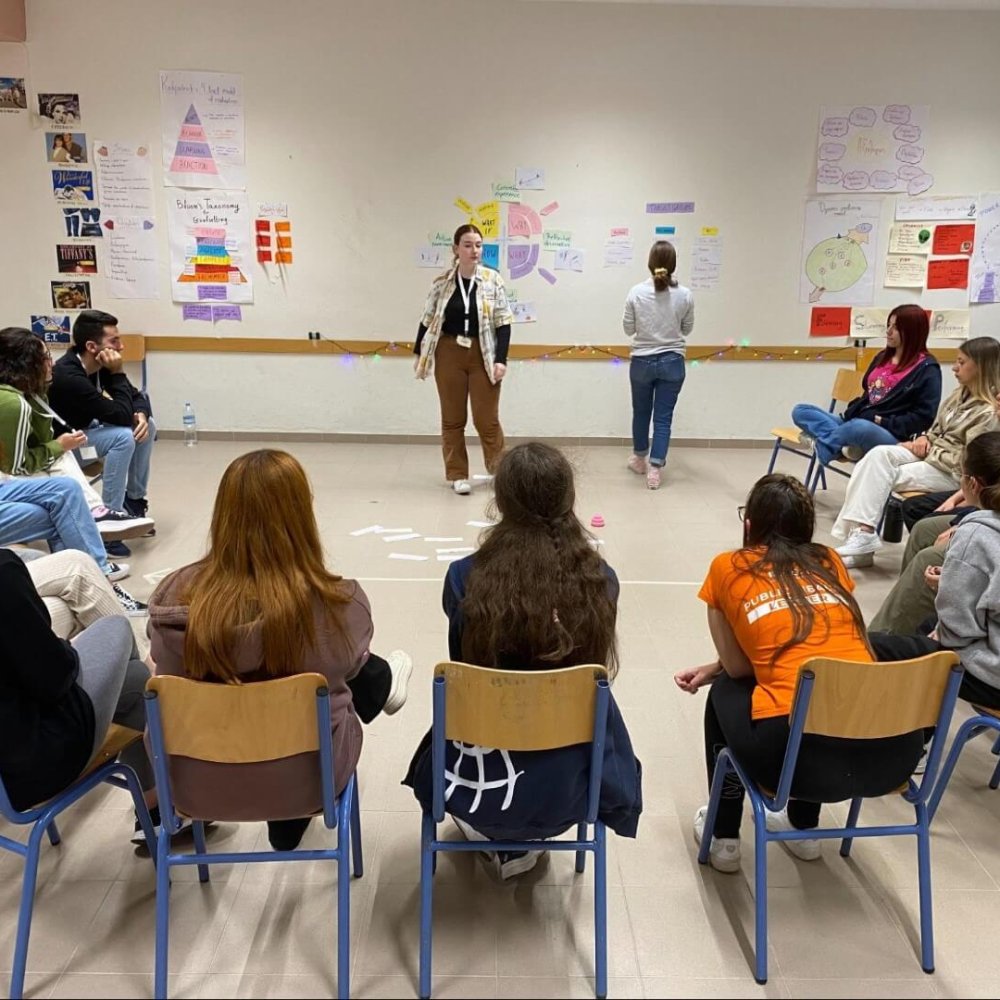
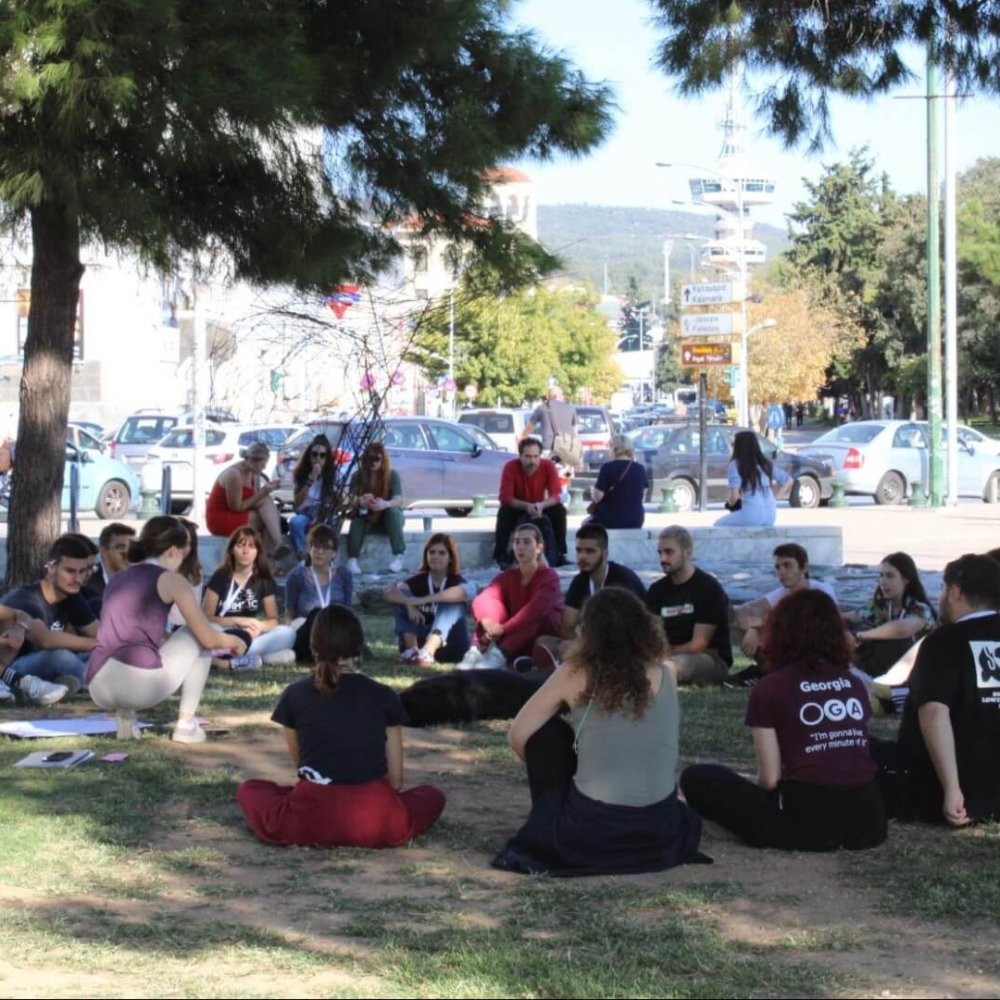
Peer Education is a non formal education, where peers educate their peers, through experiential methods and interactive processes, in a variety of topics. It is based on the fact that a person who is in an age, social group, educates people in a thematic area who are in the same social and age group as them, so they can understand their needs and directly and empirically transmit knowledge and skills.
HelMSIC holds a trained and certified department of peer education trainers who carry out educational activities both within the organization towards active members and externally, training Medical students on various topics.
HelMSIC carries out a multitude of actions, both for the certification of new instructors, by organizing Training Events with participating students studying in Greece, but also around the world.
Peer Education...
Helps change attitudes and behavior, which is the vision of many of our actions.
Is a direct way of meeting a need that we identify, regardless of external factors such as external partners.
The trainer does not take on the role of a teacher. He is simply someone who creates a safe space for and is a catalyst for the learning process. Participants have an active role in their training and together they train each other, exchange views and draw conclusions.
Is an integral part of HelMSIC and can help it achieve its goals.
Peer educators also benefit as they develop and acquire skills such as leadership, communication skills, and adaptability.